Corsi di vela a ottobre e novembre | Centro Velico Caprera

Corsi di vela a ottobre e novembre | Centro Velico Caprera

©LorenzoSironi-Cabinati5

Corsi di vela a ottobre e novembre: l’arcipelago della Maddalena come non l’hai mai visto

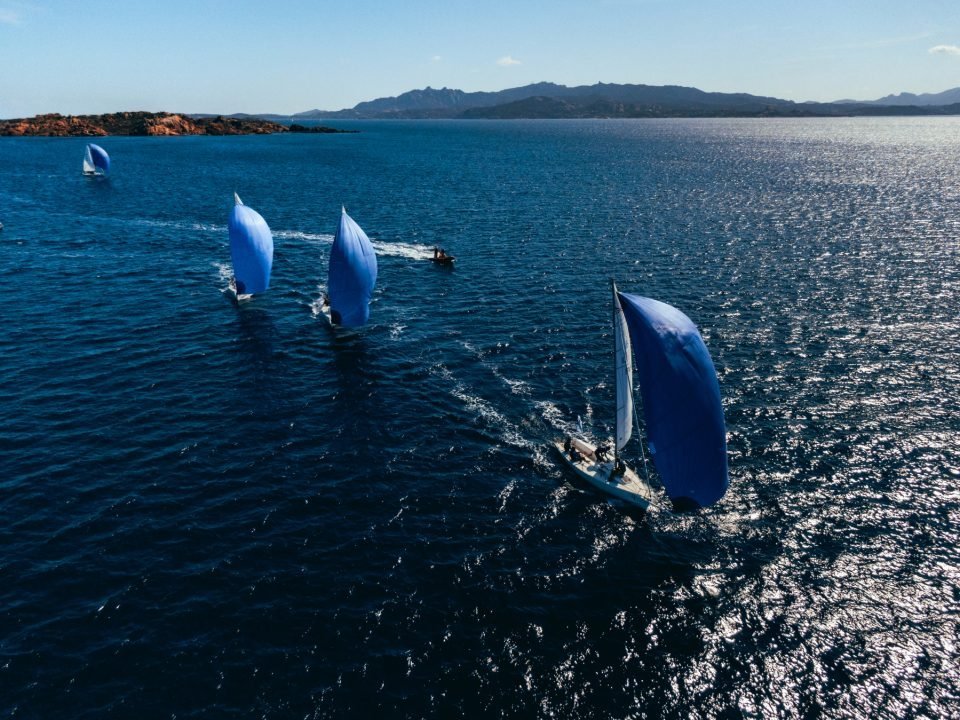
Quando le spiagge si svuotano e i traghetti per La Maddalena tornano a respirare, a Caprera comincia la parte più bella dell’anno. Se stai cercando corsi di vela a ottobre, corsi di vela a novembre o una vacanza in Italia in autunno che non sia la solita città d’arte, questa è la tua occasione: imparare a navigare in uno dei mari più belli del Mediterraneo, quasi senza nessuno intorno.

Al Centro Velico Caprera la stagione non finisce con l’estate. Si trasforma. Ecco perché a fine stagione conviene.

1. Un arcipelago quasi in uso esclusivo

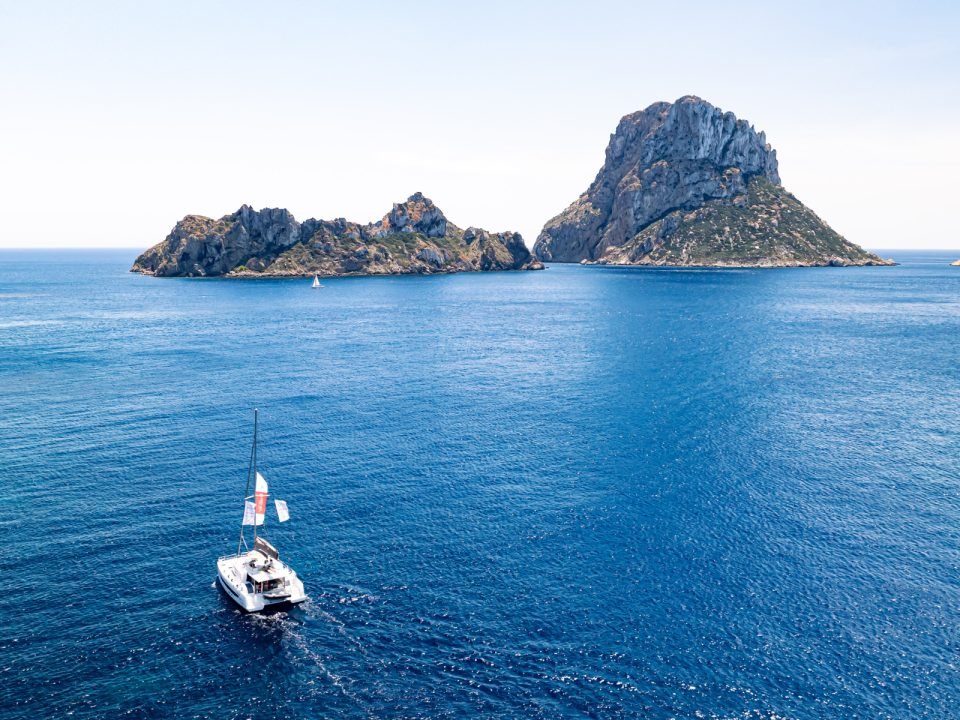
D’estate le calette del Parco Nazionale dell’Arcipelago di La Maddalena sono un porto di mare: barche all’ancora, gommoni, bagnanti, code per un posto in rada. Da ottobre il paesaggio cambia. Le isole tornano a essere ciò che sono: granito rosa, macchia mediterranea, acque trasparenti e silenzio.

Durante un corso di vela in autunno puoi:

  • fare le tue manovre in baie dove in agosto non troveresti un metro libero;
  • ancorarti in cale selvagge senza dividerle con altre cento barche;
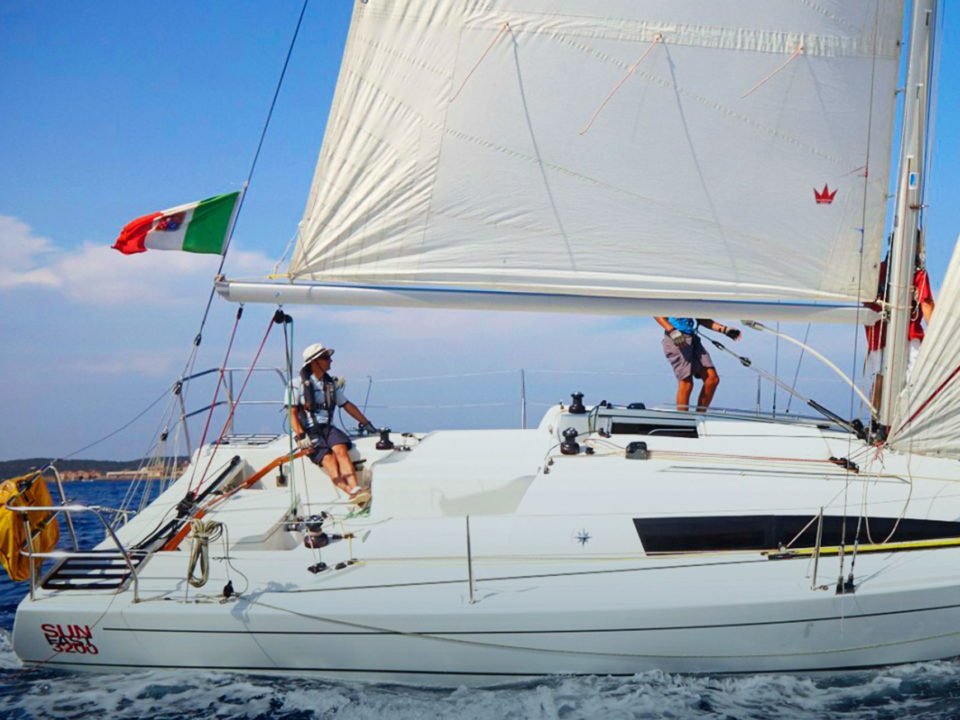
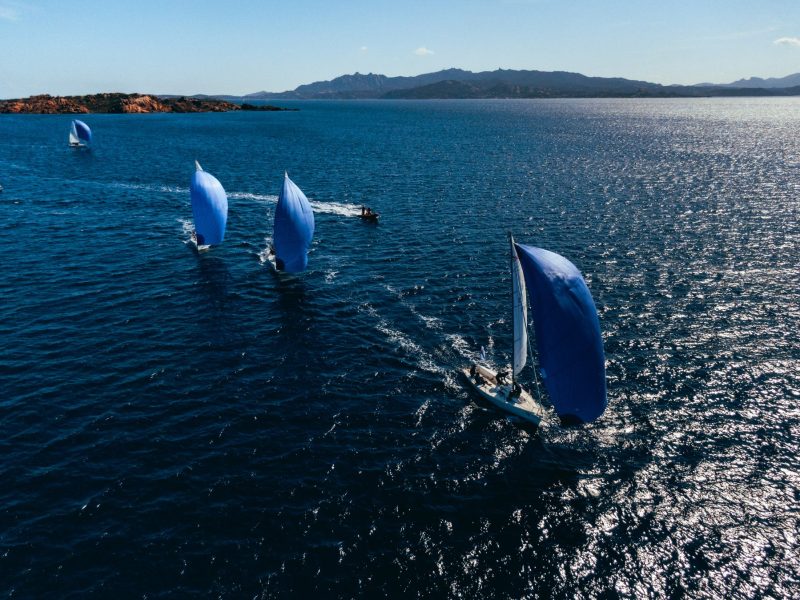
  • navigare tra Caprera, La Maddalena, Spargi, Budelli e Santa Maria con il mare davanti per te;
  • imparare in un ambiente tranquillo, che aiuta la concentrazione e rende tutto più naturale, soprattutto per chi comincia.

Per chi ama la natura e la fotografia, la luce autunnale di Caprera è un regalo in più: più morbida, più calda, con tramonti lunghi e cieli limpidi.

2. Il mare è ancora caldo, il vento è un ottimo maestro

Chi pensa che dopo settembre il mare sia “freddo” resta sorpreso. A ottobre l’acqua conserva buona parte del calore accumulato in estate, e anche a novembre il clima sardo resta gentile rispetto a gran parte d’Italia. Le giornate sono spesso soleggiate e molto luminose, ideali da passare in acqua.

Dal punto di vista velico, l’autunno offre condizioni che gli istruttori apprezzano: il vento è più presente e più regolare, perfetto per capire davvero come si regola una vela, come si legge il mare e come si governa una barca. Chi vuole fare progressi veloci spesso li fa proprio ora. Gli istruttori scelgono ogni giorno le uscite più adatte al livello e alle condizioni, con la sicurezza sempre al primo posto.

3. Prezzi dei corsi più bassi: la stessa qualità, meno spesa

Il fuori stagione ha un vantaggio concreto: costa meno. A ottobre e novembre le tariffe dei corsi sono più basse rispetto ai picchi estivi, a parità di programma didattico, di istruttori e di qualità delle attività.

Quello che cambia è il prezzo, non l’esperienza:

  • stesso metodo didattico e stessa attenzione al singolo allievo;
  • gruppi più raccolti, con più tempo in barca e più spazio per le domande;
  • una vacanza sportiva completa a un costo più accessibile.

Consulta date e tariffe aggiornate dei corsi autunnali: [inserire link alla pagina corsi]

4. Anche il viaggio costa meno: voli e traghetti in fuori stagione

Il risparmio non riguarda solo il corso. Raggiungere la Sardegna a ottobre e novembre è in genere molto più economico rispetto ai mesi estivi: i voli verso gli aeroporti del nord dell’isola, come Olbia, hanno spesso prezzi decisamente più bassi, e lo stesso vale per i traghetti. Anche gli alloggi e i servizi in zona seguono la stessa logica.

Il consiglio è prenotare con anticipo e confrontare le date: spostare di qualche giorno la partenza può fare una differenza notevole. Mettendo insieme corso, volo e soggiorno, una vacanza in Sardegna in autunno può costare una frazione di quella estiva.

5. A chi sono adatti i corsi di vela d’autunno

  • Principianti assoluti, che vogliono iniziare in un ambiente sereno e senza affollamento.
  • Chi ha già esperienza e desidera perfezionarsi, migliorare la tecnica o provare nuove barche.
  • Coppie e amici in cerca di una vacanza attiva e diversa dal solito.
  • Chi lavora e ha ferie da spendere a fine anno e vuole staccare davvero.
  • Appassionati di natura, che amano il mare lontano dalla folla.

Non servono doti atletiche particolari: serve la voglia di imparare e di stare all’aria aperta

7. Perché scegliere il Centro Velico Caprera

Il Centro Velico Caprera è un punto di riferimento della vela in Italia da decenni. Una base nel cuore del Parco Nazionale, istruttori qualificati, flotta ampia e un programma pensato per far crescere ogni allievo, qualunque sia il punto di partenza. In autunno tutto questo si vive in un’atmosfera più intima, con tempi più distesi e un legame più forte con il luogo e con le persone.

Domande frequenti sui corsi di vela in autunno

Si fanno corsi di vela a ottobre?
Sì. Ottobre è uno dei mesi migliori per imparare: mare ancora caldo, vento regolare, poca affluenza e prezzi più bassi. Verifica sul sito le date dei corsi disponibili.

E a novembre?
Anche a novembre sono previste attività, in base al calendario del Centro. Le temperature restano miti per la Sardegna e il vantaggio è la quiete assoluta dell’arcipelago. Controlla il calendario aggiornato.

Serve esperienza per partecipare?
No. Ci sono proposte per chi parte da zero e per chi vuole perfezionarsi. Gli istruttori adattano le uscite al livello del gruppo.

Cosa devo portare?
Abbigliamento a strati, giacca antivento, scarpe con suola antiscivolo, protezione solare, cappello e un cambio asciutto. Nella pagina del corso trovi l’elenco completo.

Quanto si risparmia rispetto all’estate?
Le tariffe dei corsi sono più basse nel fuori stagione, e lo stesso vale in genere per voli, traghetti e alloggi. Per cifre precise consulta il listino aggiornato.

Come si arriva a Caprera?
In aereo fino a Olbia (o altri scali sardi), poi in auto o navetta fino a Palau, traghetto per La Maddalena e ponte verso Caprera. Su richiesta ti aiutiamo a organizzare gli spostamenti.

Prenota il tuo corso di vela d’autunno

Se hai sempre rimandato l’idea di imparare a navigare, ottobre e novembre sono il momento ideale: meno costi, meno folla, più mare. Guarda le date disponibili, scegli il corso più adatto a te e prenota prima che i posti finiscano.
Back to top
Below you will find useful information about attending our courses, if you have any questions, please call us at +39.02.86452191.

Within one month (30 days) before the start of the course it is necessary that:

  • Upload to your CVC account a medical certificate (for at least non-competitive activity) in pdf format (you can use our form found here
    Without a certificate you are not admitted to the courses (we remind Milanese that we have an agreement with Medici In Famiglia on non-competitive medical certificates, all details here.
  • Upload the duly signed "release form" to your account. Failure to do so will result in exclusion from the courses:
    – form for minors: ITA – ENG;
    – form for adults: ITA – ENG;
  • Upload double-sided copy in single file of one of your ID documents
  • If this is your first course at CVC, or if you have not yet taken it, you must also upload a passport-size photograph of yourself.
  • Fill in your master data in your account: menu "personal data."

For luggage, use soft bags that take up little space when folded (no hard suitcases). Remember that cigarettes and tobacco are not for sale at the base.

For all courses:

  • sleeping bag (or sheet + blanket)
  • sailor's knife (*) needed in the boat for safety and ashore as a perch (see photo below)
  • boat shoes and also boat boots for cabin cruiser courses
  • 2-3 linen changes
  • 2-3 changes of sports socks
  • casual short and long pants
  • Lightweight long-sleeved shirts and hats to avoid sunburn (light colors recommended)
  • Wool sweaters/fleece (at least 2) to cope with the cold weather present at sea even in the summer months
  • personal hygiene items* and towels
  • hair dryer
  • battery-powered flashlight*
  • sunglasses
  • sailing gloves*
  • sunscreens
  • water bottle or thermal bottle
  • a pair of closed shoes is required for ground activities (the command).

Particularly for courses on dinghies:

  • lightweight long-sleeved or short-sleeved T-shirts made of lycra
  • spray jacket top
  • Neoprene wetsuit*, essential in spring and fall, also recommended in summer
  • Tall sailing shoes with socks (to protect feet from straps) or, better, neoprene socks*. For D3, D4, D5 and Foil courses, knee pads may be useful.

Particularly for courses on cabin cruisers:

  • Sailing oilskin (*) light or heavy depending on the season
  • Boat shoes with suitable soles (no Superga or similar, they slip), boots in cooler months

* items that can be purchased at the Caprera commissary

From the mainland > Olbia

By ship (arrival in Olbia or Golfo Aranci)

  • with TIRRENIA, MOBYLINES or GRIMALDI, departing from Genoa, Livorno (the night before) or other ports and arriving in Olbia. For information on current Conventions send an email to the secretary's office.
  • with SARDINIA FERRIES with departure from Livorno (the night before) and arrival in Golfo Aranci.
    etc...

By air (arrival in Olbia)

  • AEROITALIA, EASYJET, VOLOTEA or other companies, with departures from major Italian and foreign cities

Olbia > Palau

Palau is 50 km from Olbia, these are the means of transportation (route duration about 1 hour):

    • From Olbia port (maritime station), regular ARST bus . Price about 3 Euro
    • from Olbia center (bus station), regular ARST buses with departures every hour
    • From Olbia airport:
      - bus services every hour to Olbia center
      - TURMOTRAVEL (0789/21487) runs a direct service from Olbia airport to Palau-see schedule: https://gruppoturmotravel.com/linee-extraurbane
      - Aisoni cab service, with which CVC has an agreement:
        • Place in cumulative transfer € 20.00 including VAT per person each way
        • Car 1/3 seats + our driver €. 90.00 including VAT
        • Van 4/8 seats + our driver €. 140.00 including VAT
        • Overnight surcharge (9:00 p.m. to 6:00 a.m.) 20%.
          Reservations at 348/7988280
          Mr. Fabrizio Aisoni will send the most suitable means (cab, minibus) according to the number of reservations.

Palau > La Maddalena

Palau to La Maddalena scheduled ferry (about 15 minutes) - ticket at ticket office before boarding.

La Maddalena > Caprera Base

Every Saturday in La Maddalena 1:45 p.m., on the Waterfront via Amendola, motorboat Apollo II departure with a CVC sign will transport students to Caprera (meet 10/15 minutes before). Before May 1 and after October 31, the motorboat will be replaced by bus, same time and meeting point.
Phone to be used only on Saturday of arrival in case of emergency: 347/6749599.
If you arrive late, from La Maddalena you can call a cab (see contact details among Useful Phones - average price 30/40 Euro or more).

The Centro Velico Caprera does not organize group trips but points out the existence of a Facebook Page dedicated to arrivals and departures so that participants can make the best travel arrangements.

By car it is not recommended to get to the Base

Access is allowed only as far as the gate to the Precruise dock, from there you wait for other students to arrive by ferry from La Maddalena. For the duration of the course you will have no opportunity to use it. For those arriving by car it is recommended to leave it in Palau.

The base has 3 settlements on the south coast of the island:

  • Punta Coda, where the introductory courses are usually held dinghy (separate dorms for women and men)
  • Advanced training, where other courses are usually held— dinghy , or cabin-style (mixed-use huts)
  • Pre-cruise, where the Cabin courses (mixed huts) usually stay.

Punta Coda has a CVC infirmary.

Upon disembarking from the ferry, students from each course are gathered and assigned their rooms in the dormitories. Settle into your bed and dress appropriately for the swimming test and swim cap (beginner courses dinghy) or for the boat activities. You will then be gathered in the classroom to receive instructions from the Head Instructor (Shift Leader) and the base staff.
At the Punta Coda Beginner Camp, there are individual lockers. You will be given a key upon payment of a 50-euro deposit. At the other camps, there are communal lockers. The School is not liable for the theft of items left unattended. Avoid bringing valuables or large amounts of cash.

Schedules
Life on Caprera is governed by the following schedules :
06.30 wake up
07.00 breakfast
07.45 lecture
09.00 embarkation
12.30 disembarkation
13.00 lunch
13.45 lecture
14.30 embarkation
18.30 disembarkation
20.00 dinner
21.00 comments on the day
22.30 silence

Particular attention is recommended to rest at night: in fact, very intense sports activity does not allow hours of rest to be lost.

  1. The CVC Foundation - Centro Velico Caprera ETS Centro Velico Caprera is a sailing and sea school, not a vacation center: attendance at courses requires commitment, discipline, spirit of adaptation and acceptance of behavioral norms, as well as the evaluations made by the School itself with regard to the suitability of each student to attend the required courses. The same attendance requires, in addition, adequate mental, physical and health conditions, as certified by the attending physician.
    It is acknowledged that the actions of the CVC Foundation are guided by the following principles and that attendance at its courses requires timely compliance with them: respect for the person, understood as the equal right and value of the individual without distinction of creed, gender or social condition; respect for and protection of the environment in particular the habitat surrounding our center; solidarity aimed at cooperation and mutual support among individuals, generating a sense of belonging to a large supportive community, as better specified in the Charter of Values and Code of Ethics to which reference is made and which must be respected.
  2. Access to the Bases is restricted only to those who are teachers or students in an ongoing course. No cars (which must remain outside the gate) or motorcycles, or dogs or other animals are allowed. Allocation of each course to one of the CVC Bases is at the discretion of the CVC itself, by virtue of non-discussable reasons of an organizational and safety nature for participants. Arrivals and departures must take place strictly according to the scheduled dates and times (use of collective means is recommended). No responsibility is assumed by the Center with reference to travel to and from the Caprera base.
  3. Absence, even temporarily, from the Base is not permitted except for justified reasons and with the permission of the Base Chief. Visits from relatives or friends are not allowed unless expressly authorized by the Base Chief.
  4. Tidiness and cleanliness, which are essential in a community life, cover not only one's person and personal belongings, but also the dormitories, common rooms and facilities, the surroundings, and the equipment and facilities on the Base.
    Vital to the School is the care of the vessels and materials.
  5. Sleeping after a busy and tiring day is a sacred right, so all noise in the vicinity of dormitories must cease at quiet time. Baby radios, iPods or the like are not welcome and their use is prohibited in common rooms. Cell phones are also to be used discreetly, and they are to be turned off during communal activities in any case.
  6. In courses with dormitory housing, students may not attend dormitories reserved for female students and vice versa.
  7. Safety is a dominant theme in education both at sea and on land: from the obligation to wear a life jacket and, where provided, a protective helmet, to rescue and firefighting equipment. Everyone contributes to the work of prevention, to avoid damage to people and equipment. The obligation to observe the rules dictated by current regulations and the directives issued remains in place.
  8. The Base Chief has the authority to remove from the Base any student who proves to be unfit for the community life of the school or who has been guilty of serious misconduct, including with regard to the principles and values set forth in Section 1 above.
  9. Use of the boats is permitted for the School's institutional activities. Any other use must be authorized by the Base Chief.
  10. The CVC reserves the right to take any measures, including sanitary measures, that it deems appropriate or necessary, in compliance with or as a result of legislative and/or regulatory provisions to gain access to the base and to attend courses.
  11. The regulations referred to in the preceding points are intended to be subject to national and regional regulations on measures, including behavioral and individual protection measures, aimed at countering the spread of COVID-19, as well as those set forth in the document "Behavioral Standards Emergency Covid" that can be consulted AT THIS LINK, to be considered a substantial part of these Living Standards.

In addition to personal telephones, to get in touch with students, from May to October, you can call the Secretariat in La Maddalena (tel. 0789/738529). Cell phones are not allowed to be used on the boat or during lessons ashore. Their use is allowed only during free moments.

All trainees participate in communal activities (distributing meals, cleaning the mess, dormitories and facilities, helping in the sail room and on the dinghies). This will help to acquire the mindset of living together on a boat where the whole crew contributes to the activities on board. For one day, in the weekly courses, or two days, in the fortnightly courses, each student is employed in the "command".

The CVC commissary is at Punta Coda and Precruise and is open daily (including Sundays). Hours: Punta Coda 12:30-1 p.m. 6:45-8 p.m. (Saturday 10:30 a.m.-1 p.m.). Pre-cruise: 6:45-8 p.m. (Saturday 9:30-11 a.m.). At the commissary you can pay with cash, ATM or credit cards.

At the commissary you can find:

  • Technical leaders for sailing:
    • windbreakers;
    • sailing gloves;
    • wetsuit boots;
    • neoprene wetsuits;
    • sailing pants;
    • boots (on request).
  • Sailing clothing:
    • polo shirts, sweaters;
    • shoes (on request).
  • Miscellaneous accessories: blankets, sleeping bags, No cigarettes for sale.
  • You can also find:
    • drinks, cookies, snacks, ;
    • hygiene items

If there are special needs (medicine, etc.), the commissary clerk can purchase the necessities from time to time in La Maddalena.

From week 23 to week 31 no alcohol will be sold at the Punta Coda commissary.

Coke, beer, wine and other beverages can be purchased through the staff at the commissary. Water at the table and in the boat is provided free of charge.
For personal use, you can always refill your own water bottles from the dispensers provided at the bases.

The CVC is organized to follow the diet of people with celiac disease or severe food allergies (reported to the Secretariat before the start of the course).
In the case of food preferences, on the other hand, there may not be a dedicated meal, but one may choose the food genre, from those available, compatible with the intolerance as long as it is promptly reported and documented at the time of registration.

It is recommended to bring your personal ASL card. There is an infirmary on Caprera.
In case it is necessary to transfer to a hospital in La Maddalena or Olbia, the student will have to pay for the means to return to the Base.

The last morning of your stay in Caprera is devoted to tidying up the boats, sails, dormitories and the last bureaucratic formalities, including filling out the QUESTIONNAIRE where you can express your liking for the school's activities and suggestions for improving them: we value your opinion! After filling out the questionnaire, you will need to pack your bags.

Students are brought back to La Maddalena around noon by motorboat (before May 1 and after October 31 the motorboat will be replaced by a bus). From La Maddalena you can take a ferry to Palau and from Palau the regular bus to Olbia. We recommend booking a flight or ferry departing from Olbia from 6 p.m. onward.

ARST and TURMOTRAVEL Schedules: Olbia-Palau-Olbia

Milan Secretariat 02/86452191
La Maddalena Secretariat 0789/738529
La Maddalena Hospital 0789/737732
Taxi Aisoni (Olbia/Palau) (also for minibuses) 348/7988280
Cab Acciaro (also for minibuses of 6) 340/1554000
Taxi Musa Roberto (also for minibuses) 347/3706074
Taxi Meo Giuseppe 340/3616466 (cabs and minivans)
Taxi in Palau: Roberto 347/7520270 - Car 4 pax 80.00 minibus 8 pax 100.00 (to be verified)
Phone to call only on Saturday of arrival in case of emergency: 347/6749599


1 Step 1
Can you swim?

1. Have you taken sailing courses before?

2. Have you experienced sailing, racing or cruising before?

3. Assess your ability to perform these maneuvers with a white-sailed boat, either at the helm or as a crew member. (These are the maneuvers you learn in the C2 course)

Maneuver
Maneuver never performedWith uncertaintyDiscreetlyGood
a. Set sail from a buoy.
b. Taking a sailing buoy
c. Hold a tight upwind
d. Helm at the slack
e. Turning in the bow
f. Stop the boat heading into the wind
g. Turning stern
h. Performing a sailing anchorage
i. Pulling over a sailing dock
l. Taking a reefing hand to the mainsail while sailing
m. Changing a headsail with garrots,while sailing, even in a stiff wind
n. Recovering a man overboard

4. Can you tie these maritime knots?

Node
NoWith uncertaintyDiscreetlyWith ease
a. Savoy
b. Parlato
c. Plan
d. Flag
e. Gassa d'amante
f. Draft
In a year, how much do you go sailing?
Do you have a boat license?
If, in the School's judgment, you do not have the experience for the course you require, are you willing to attend the level that best suits your abilities?

Your personal information will be used to support your experience on this website, specifically in this form to respond to your request. You can view the full privacy policy at this address: Privacy Policy

keyboard_arrow_leftPrevious
Nextkeyboard_arrow_right
FormCraft - WordPress form builder
1 Step 1
Can you swim?
How many years have you been sailing?
In a year, how much do you go sailing?
Do you know how to execute these knots: gassa d'amante, spoken, half-necks and savoia?
What is your technical level?
GoodQuiteWith uncertaintyNo
Steering upwind
Helm at the slack
Turning in the bow
Turning aft
Stop the boat heading into the wind
What is your advanced technical level?C4
GoodQuiteWith uncertaintyNo
Reduce the sail (mainsail - jib)
Taking a sailing buoy
Getting off and landing on a beach
Navigating without a rudder
Maneuvering in restricted waters
Navigating within a path
Assess your level of experience on a cabin cruiser
GoodQuiteWith uncertaintyNo
Recovering a man overboard
Mooring in motor harbor
Pulling in under sail at a dock
Making a sailing anchorage
Arming/cambering the spinnaker
Arming/arming the gennaker
Plotting a course
Making ship point
Assess your level of experience on a cabin cruiser
GoodQuiteWith uncertaintyNo
Recovering a man overboard
Mooring in motor harbor
Plotting a course
Making ship point
Assess your level of experience on a cruiserC4
GoodQuiteWith uncertaintyNo
Recovering a man overboard
Mooring in motor harbor
Pulling in under sail at a dock
Making a sailing anchorage
Arming/cambering the spinnaker
Arming/arming the gennaker
Plotting a course
Making ship point
Jibing with the spinnaker
Gybing with the gennaker
English mooring with spring and batticule
Consult a portolano
Preparing a piloting
Recognize I.A.L.A. signals (day/night)
Recognizing a ship's navigation lights
Check the battery charge level with a tester
Interpreting a METEOMAR Bulletin
Using a VHF radio while observing proper calling procedures
How many days in total have you sailed on a cabin cruiser?
Have you ever faced night sailing?
How many hours did you spend at the helm, more or less?
How many times have you made a Ship Point in navigation?
If, in the School's judgment, you do not have the experience for the course you require, are you willing to attend the level that best suits your abilities?

Your personal information will be used to support your experience on this website, specifically in this form to respond to your request. You can view the full privacy policy at this address: Privacy Policy

keyboard_arrow_leftPrevious
Nextkeyboard_arrow_right
FormCraft - WordPress form builder
1 Step 1
Can you swim?
How many years have you been sailing?
In a year, how much do you go sailing?
Do you have a boat license?
Do you know how to execute these knots: gassa d'amante, spoken, half-necks and savoia?
What is your technical level?
GoodQuiteWith uncertaintyNo
Steering upwind
Helm at the slack
Turning in the bow
Turning aft
Stop the boat heading into the wind
Maintaining a course
Taking a sailing buoy
Knowledge of nomenclature
Hoisting and lowering a sail
Adjusting a sheet sail
What is your technical level?
GoodQuiteWith uncertaintyNo
Steering upwind
Helm at the slack
Turning in the bow
Turning aft
Only for C2, C2/C3
GoodQuiteWith uncertaintyNo
Using a Winch
Anchoring under sail
Sail reduction on cabin cruiser
What is your technical level?C4
GoodQuiteWith uncertaintyNo
Steering upwind
Helm at the slack
Turning in the bow
Turning aft
Stop the boat heading into the wind
Reduce the sail (mainsail - jib)
Taking a sailing buoy
Assess your level of experience on a cabin cruiser
GoodQuiteWith uncertaintyNo
Recovering a man overboard
Mooring in motor harbor
Pulling in under sail at a dock
Making a sailing anchorage
Arming/cambering the spinnaker
Arming/arming the gennaker
Plotting a course
Making ship point
Assess your level of experience on a cabin cruiser
GoodQuiteWith uncertaintyNo
Recovering a man overboard
Mooring in motor harbor
Plotting a course
Making ship point
Assess your level of experience on a cruiserC4
GoodQuiteWith uncertaintyNo
Recovering a man overboard
Mooring in motor harbor
Pulling in under sail at a dock
Making a sailing anchorage
Arming/cambering the spinnaker
Arming/arming the gennaker
Plotting a course
Making ship point
Jibing with the spinnaker
Gybing with the gennaker
English mooring with spring and batticule
Consult a portolano
Preparing a piloting
Recognize I.A.L.A. signals (day/night)
Recognizing a ship's navigation lights
Check the battery charge level with a tester
Interpreting a METEOMAR Bulletin
Using a VHF radio while observing proper calling procedures
How many days in total have you sailed on a cabin cruiser?
Have you ever faced night sailing?
How many hours did you spend at the helm, more or less?
How many times have you made a Ship Point in navigation?
If, in the School's judgment, you do not have the experience for the course you require, are you willing to attend the level that best suits your abilities?

Your personal information will be used to support your experience on this website, specifically in this form to respond to your request. You can view the full privacy policy at this address: Privacy Policy

Privacy Acceptance
keyboard_arrow_leftPrevious
Nextkeyboard_arrow_right
FormCraft - WordPress form builder
ARE YOU A NEW USER?

A password will be sent to your email address.