Un’impressa di cui tutti noi caprerini dobbiamo andare fieri, un progetto che fotografa lo stato di salute del Mediterraneo con una precisione e accuratezza senza precedenti.
La missione 2025 di M.A.R.E., da poco completata in perfetto orario rispetto alla ambiziosa tabella di marcia, segna la fine del primo ciclo quadriennale e la completa mappatura del Mediterraneo.
Gli obiettivi del progetto, fin dalla sua nascita, includono il monitoraggio degli inquinanti persistenti, dei metalli in traccia, e delle specie marine a rischio o carenti di dati, oltre all’accoglienza a bordo di ricercatori internazionali con progetti dedicati. M.A.R.E. si è affermato in questi anni come un laboratorio scientifico itinerante, capace di combinare ricerca, educazione ambientale e collaborazione tra enti pubblici, fondazioni e privati.
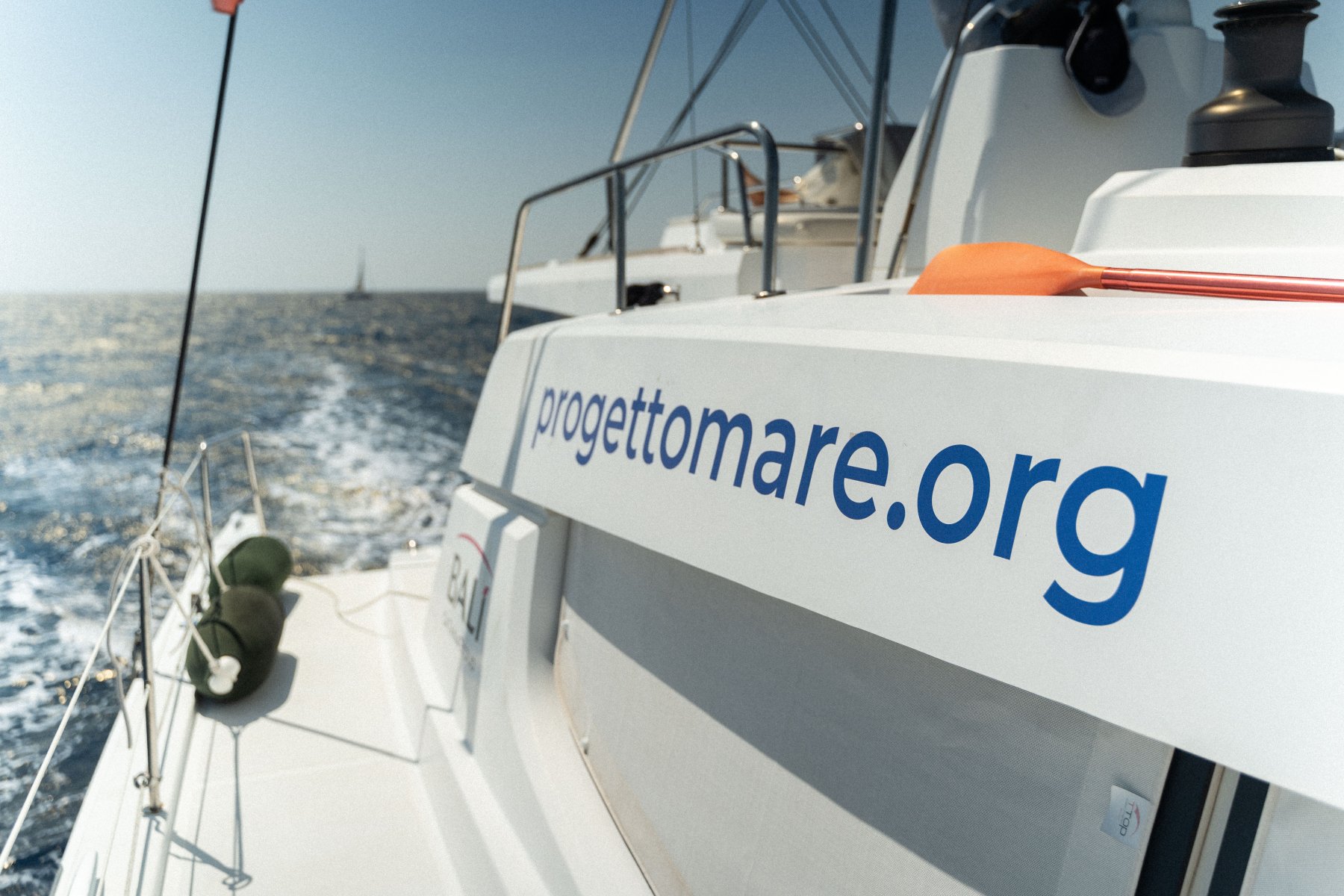
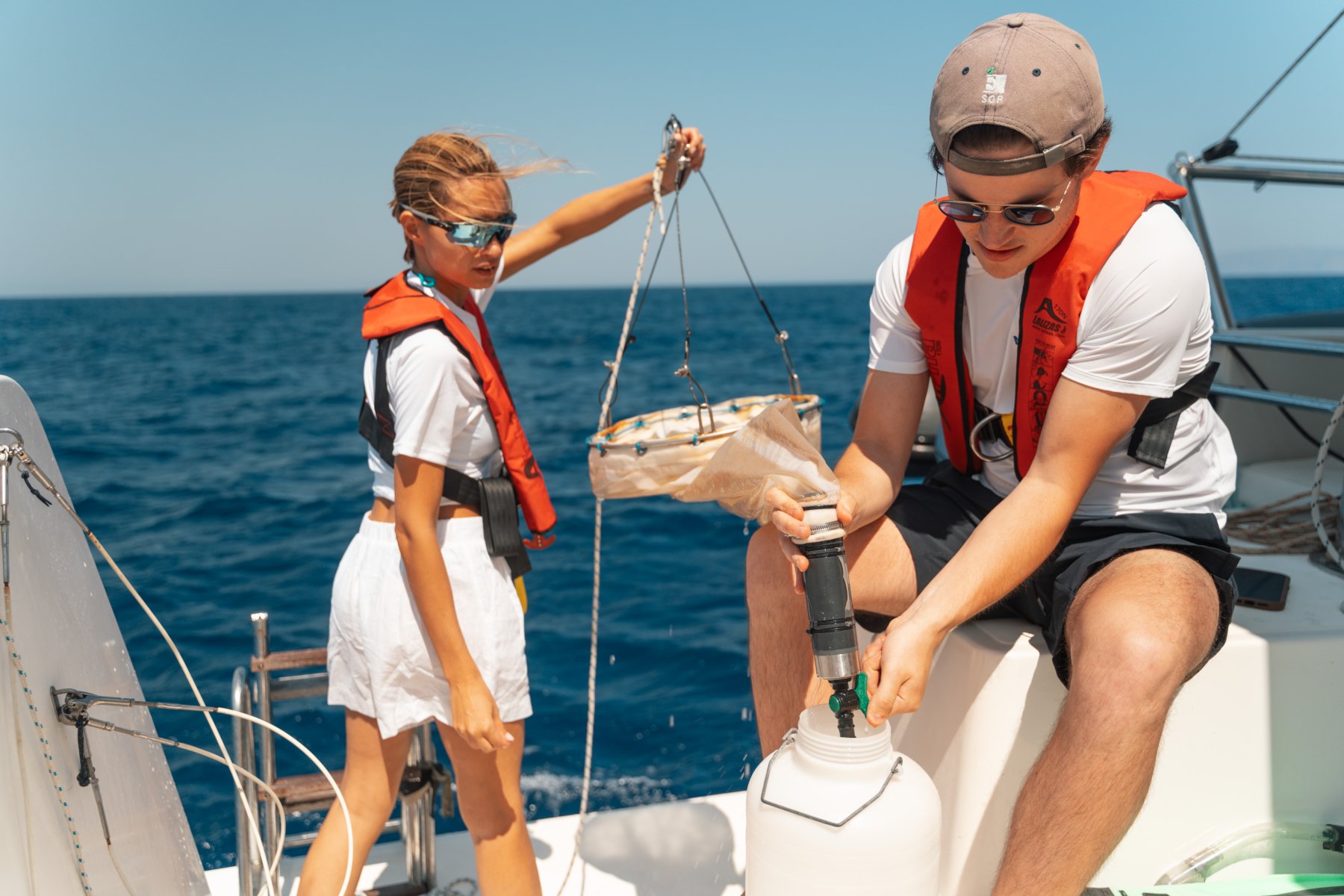
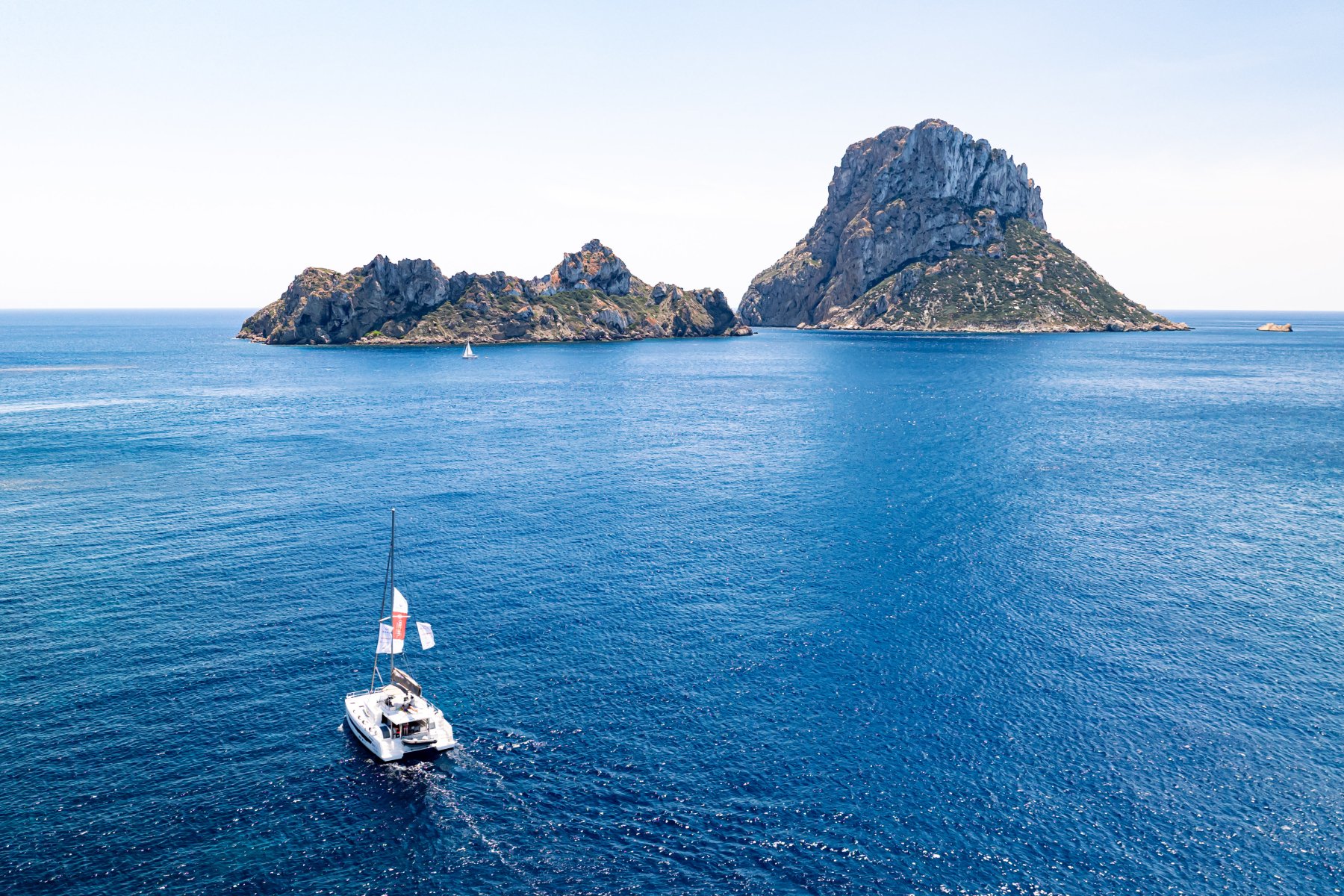
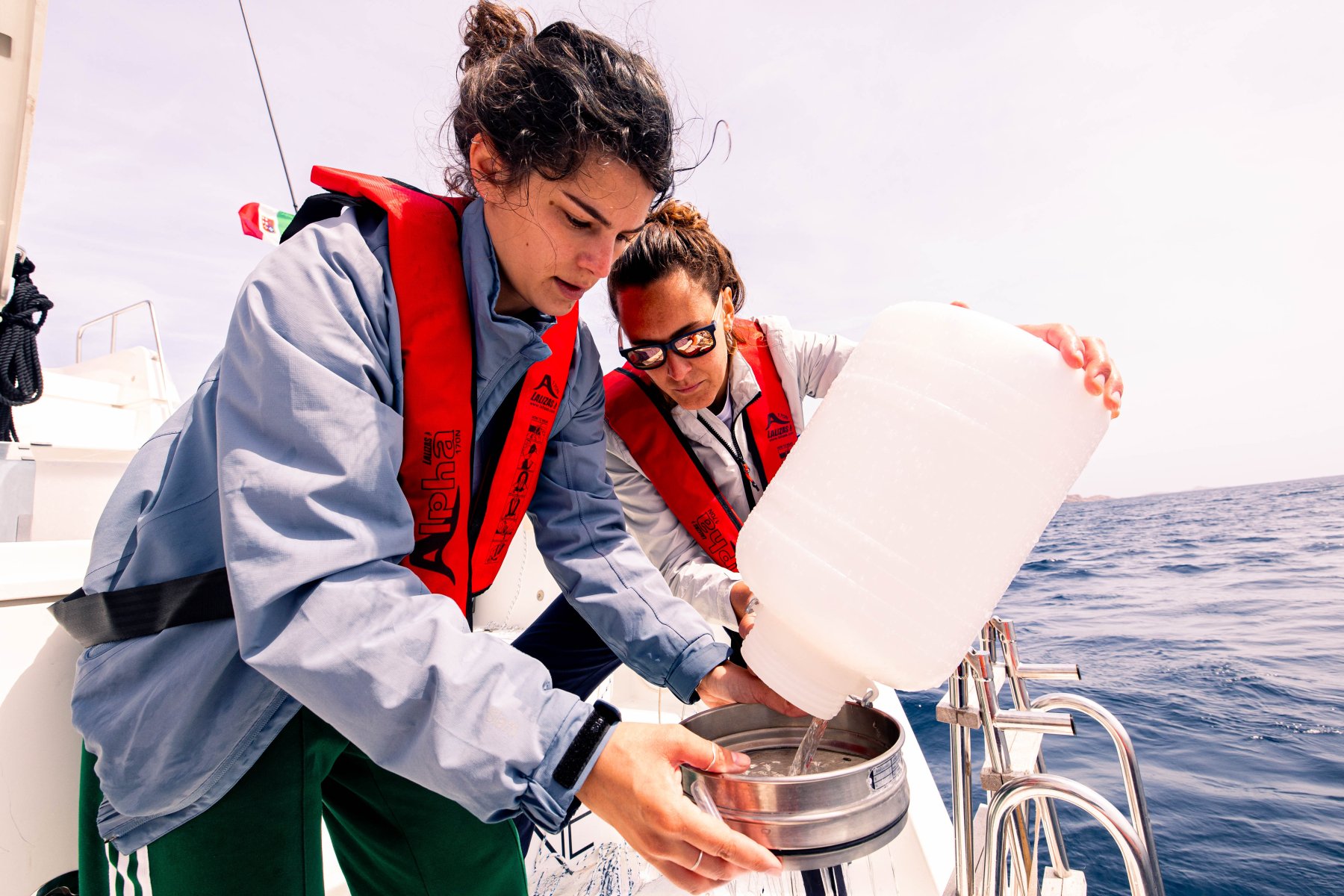
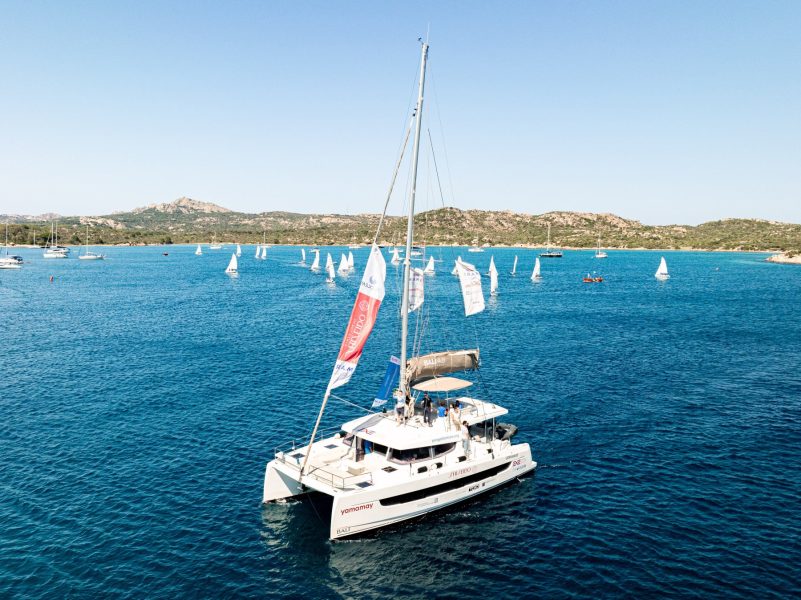
«Il progetto M.A.R.E. rappresenta un modello virtuoso di alleanza tra navigazione, ricerca scientifica e formazione – commenta Paolo Bordogna, Presidente della Fondazione Centro Velico Caprera – e che ha saputo unire i valori del Centro Velico Caprera e il suo impegno ambientale con quelli dei nostri partner. Questa edizione poi era particolarmente sfidante: 1950 miglia di perimetro per 10 settimane di navigazione attraverso due Paesi, spesso in condizioni di vento molto forte. Siamo riusciti a completare il perimetro rispettando perfettamente i tempi e le tappe previste e questo parla di una capacità organizzativa e di una competenza marinara non comune: le stesse che mettiamo in campo nella conduzione della nostra Scuola”.
Ginevra Boldrocchi, coordinatrice scientifica del progetto commenta così i risultati raggiunti:
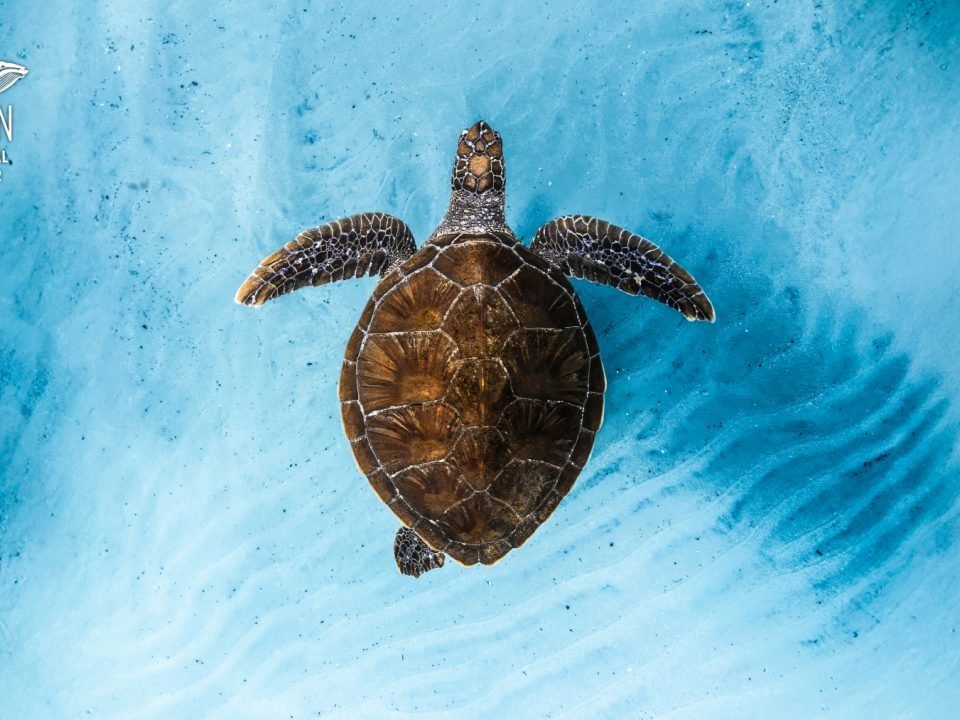
«I dati raccolti durante la missione M.A.R.E. 2025 confermano ancora una volta il valore scientifico di questo progetto: oltre 80 individui avvistati, 10 campioni di DNA ambientale, 54 di zooplancton e 52 registrazioni acustiche rappresentano una base preziosa per le analisi
che seguiranno. Con questa edizione si conclude il primo ciclo di un progetto ambizioso: per la prima volta avremo a disposizione dati aggiornati, raccolti in modo omogeneo in quasi tutto il Mediterraneo. Questo ci permetterà, dopo anni di informazioni frammentate e difficili da confrontare, di comprendere con precisione l’attuale livello di inquinamento del nostro mare, colmando un vuoto importante nella letteratura scientifica. Un risultato reso possibile grazie al lavoro sinergico e costante svolto in questi quattro anni tra ricerca, monitoraggio e sensibilizzazione».
Con lo sguardo già proiettato verso il futuro, il Segretario Generale del Centro Velico Caprera, Enrico Bertacchi, commenta: «Confermare la squadra di partner che ha reso possibile M.A.R.E. è oggi una priorità strategica: è solo grazie all’impegno condiviso di enti scientifici, fondazioni, partner e istituzioni che possiamo guardare con fiducia a un secondo ciclo quadriennale, ancora più ambizioso. Nelle ultime settimane di navigazione abbiamo avuto a bordo personale scientifico della Marina Militare e della Guardia Costiera: a loro e a Shiseido, Yamamay, Fondazione Deutsche Bank, Toio e Workness Club, che con il loro impegno rendono realizzabile questo progetto, va tutta la nostra gratitudine”.